.png)
READ TIME:
2 min
Container Types 101 – A Practical Guide for Shippers
At Moorhouse Logistics, we believe an informed customer is an empowered one. Understanding container types is essential when optimizing freight planning, reducing costs, and avoiding unpleasant surprises in your supply chain.
Below is a quick-reference guide to the most commonly used container types, along with key specifications and pallet capacity.
1. Standard Dry Containers (GP – General Purpose)
These are the most commonly used containers worldwide – ideal for general cargo that doesn’t require temperature control.
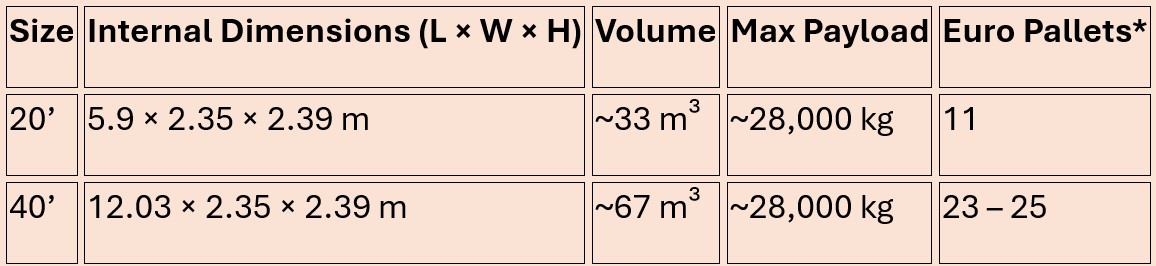
*Standard Euro Pallet = 120 × 80 cm
Note: 40’ containers do not carry double the weight – they are optimized for volume, not mass.
2. High Cube Containers (HC)
Same footprint as standard dry containers, but 30 cm taller – ideal for voluminous, lightweight goods.
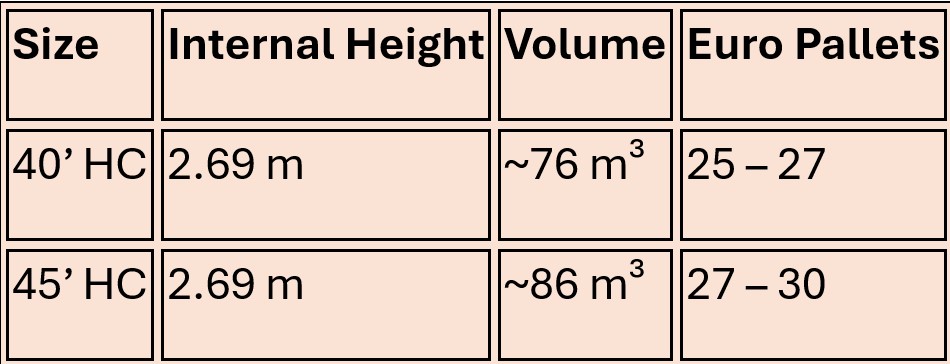
Pro Tip: Use HC containers for cargo such as furniture, textiles, plastic goods, or any shipment with high CBM and low density.
3. Reefer Containers (Refrigerated)
These containers maintain temperature for sensitive goods – from pharmaceuticals to perishables.
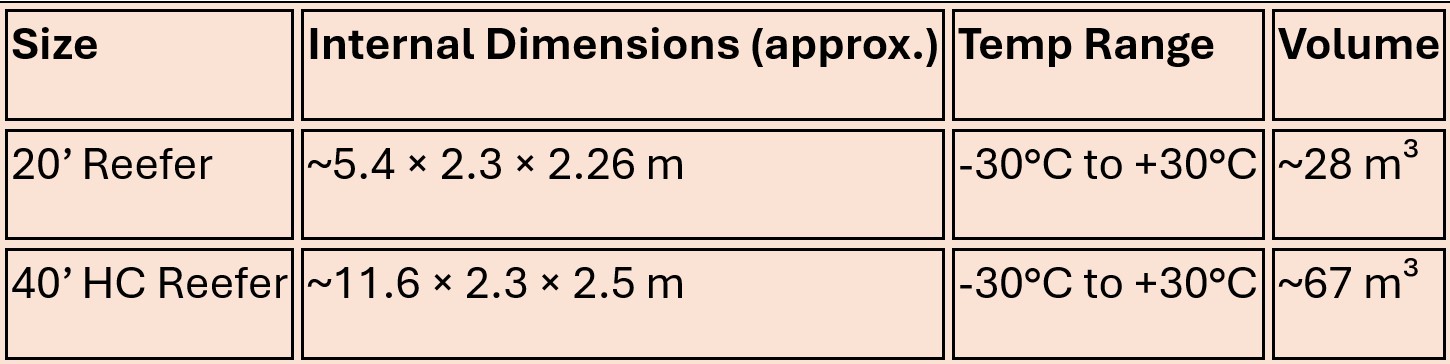
Note: Insulation and cooling equipment reduce internal space and usable payload.
4. Open Top Containers
Designed for cargo too tall for standard doors or requiring overhead loading.
- Available in 20’ and 40’ sizes
- Fitted with removable tarpaulin covers instead of a rigid roof
- Ideal for machinery, coils, and irregular-height items
5. Flat Rack Containers
For cargo too wide, long, or heavy for enclosed containers – like turbines, generators, or vehicles.
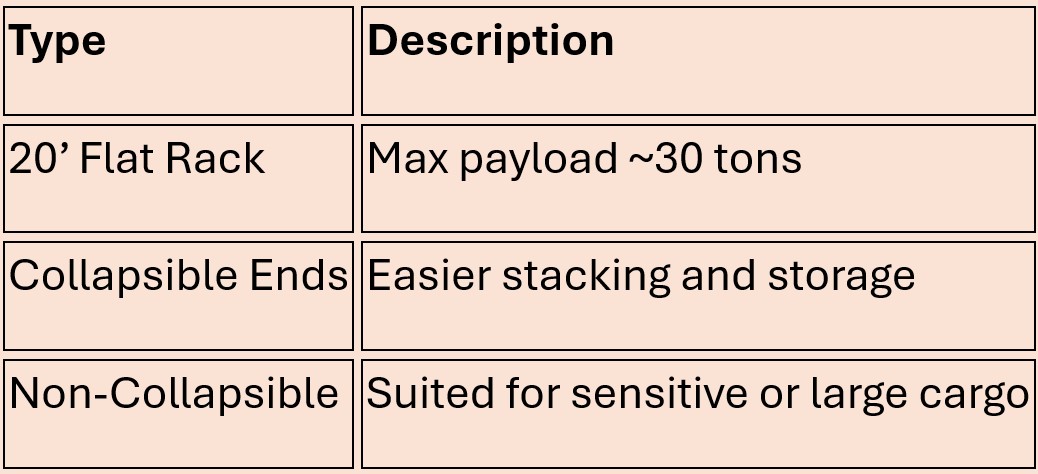
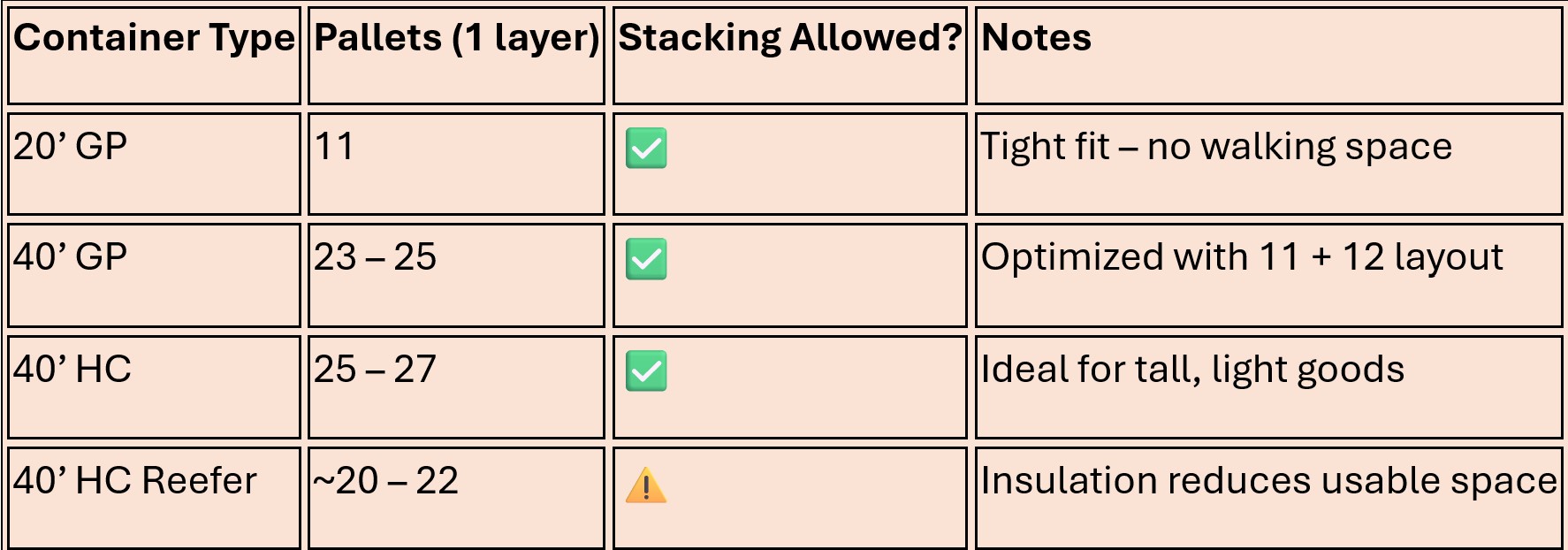
6. Pallet Fit Guide – Euro Pallet Configuration
Important Notes for Clients
- Always verify maximum payload with the carrier – limits vary by shipping line and trade lane
- Account for tare weight – container mass typically ranges from 2,200 to 4,000 kg
- Special cargo (e.g. oversize, temperature-sensitive, or fragile goods) may require advance approval or special handling
How Moorhouse Can Help
- Container planning and space optimization
- Multi-modal matching for oversized cargo
- Specialized reefer coordination and monitoring
- Pre-shipment consulting to reduce cost and waste
AUTHOR:
Newsletter Team

.svg)


