.png)
READ TIME:
2 min
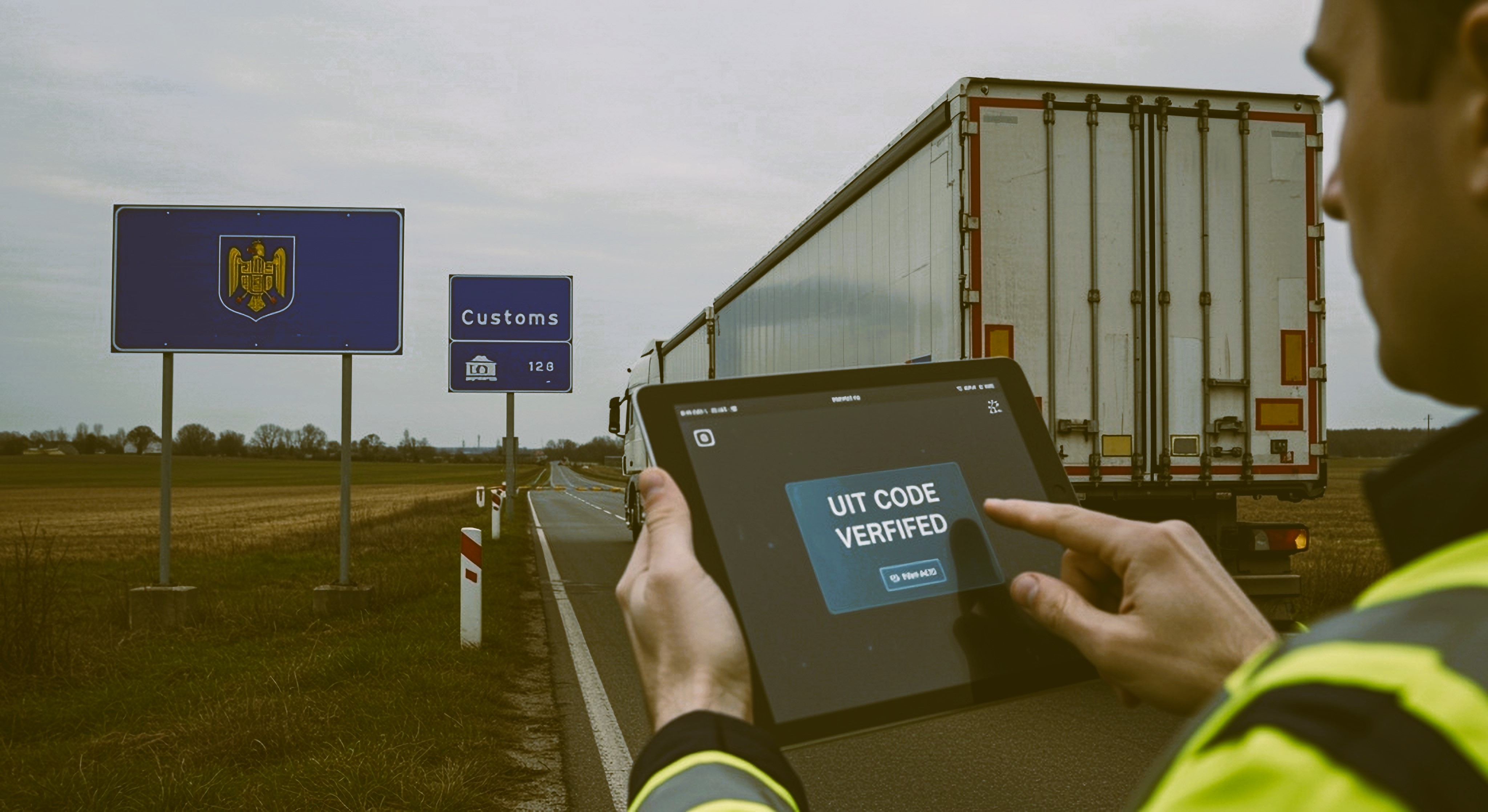
UMG & AESRO/NCTS5 – What You Must Know About Romania’s Digital Customs Systems
1. What Is UMG?
UMG Trader is the official web portal of Romania’s National Customs Authority. It allows economic operators to register users and manage access to two critical customs systems: AESRO (for exports) and NCTS5 (for transit). These platforms are replacing legacy paper-based processes across the EU.
2. AESRO& NCTS5: Simplifying Declarations
- AESRO: Handles electronic export declarations. Mandatory in Romania since February 2024.
- NCTS5: Manages EU-compliant transit declarations. Live in Romania since March 2024.
Both rely on UMG to control user permissions and digital signatures.
3. What You Must Do
To use AESRO and NCTS5, all Romanian exporters, importers, and brokers must:
- Register in UMG Trader and create user accounts.
- Assign qualified digital signatures to all declaration users.
- Delegate authority to customs brokers (e.g. Moorhouse), where needed.
Missing any of these steps will block submissions – delaying or halting shipments.
4. How the Ecosystem Works
Think of it as a single connected system:
- UMG: Manages users and digital access
- AESRO/NCTS5: Process declarations
- No UMG setup = no customs clearance
5. Why It Matters to Moorhouse & Clients
- Regulatory compliance: These systems are mandatory across the EU. Incorrect usage risks penalties or customs refusal.
- Operational speed: Digital declarations reduce lag, errors, and paper handling.
- Better visibility: Clients benefit from real-time export and transit tracking.
6. What We Have Done at Moorhouse
- UMG account registration completed
- Qualified digital signatures assigned to supervisors
- Broker rights delegated to trusted partners
- Training delivered to operations staff and drivers
- Active monitoring of updates and legal changes via AVR bulletins
Strategic Value for Clients
By integrating UMG, AESRO, and NCTS5 into our day-to-day processes, Moorhouse ensures your shipments move faster, stay compliant, and avoid unnecessary risk. This is more than system adoption – it’s a strategic upgrade to how we move goods across EU borders.
AUTHOR:
Newsletter Team

.svg)